
Common Water Leak Causes in Palm Bay Homes and How to Prevent Them
Expert advice from Handyman Palm Bay FL on keeping your home dry, safe, and protected.
Few things worry homeowners more than discovering a water leak. In Palm Bay, FL, where heat and humidity are part of daily life, leaks aren’t just common—they’re almost inevitable if maintenance is ignored. From slow drips under a sink to hidden pipe leaks inside the walls, moisture can quietly cause extensive damage before you even realize there’s a problem.
At Handyman Palm Bay FL, we’ve seen firsthand how small leaks turn into expensive repairs. The good news is that with the right knowledge and maintenance, most leaks can be prevented. In this guide, we’ll explore the most common causes of water leaks in Palm Bay homes and how to stop them before they start.
The Palm Bay Climate and Why It Increases Leak Risks
Palm Bay’s beautiful coastal setting comes with a trade-off: constant exposure to moisture, salt, and storms. The warm, humid air causes condensation on plumbing fixtures and pipes, while salt carried in the breeze slowly corrodes metal over time. During storm season, heavy rainfall and strong winds test every seam, joint, and roof tile.
These conditions make local homes more vulnerable to leaks than those in drier inland areas. Regular inspections and preventive care aren’t optional here—they’re essential to keeping your home safe and dry.
- Aging or Corroded Plumbing Pipes
One of the top culprits behind leaks in Palm Bay homes is old or corroded plumbing. Many older houses still rely on galvanized steel or copper pipes, which deteriorate faster in coastal air. Tiny pinhole leaks can form inside walls or beneath floors, going unnoticed for months.
You might first spot a small damp area, warped flooring, or an unexpected rise in your water bill. If ignored, these leaks can cause mold or even structural damage.
Prevention Tip: Schedule a plumbing inspection every few years, especially if your home was built before 2000. Modern PEX and PVC piping resist corrosion and are ideal for humid environments.
- Leaky Faucets and Fixtures
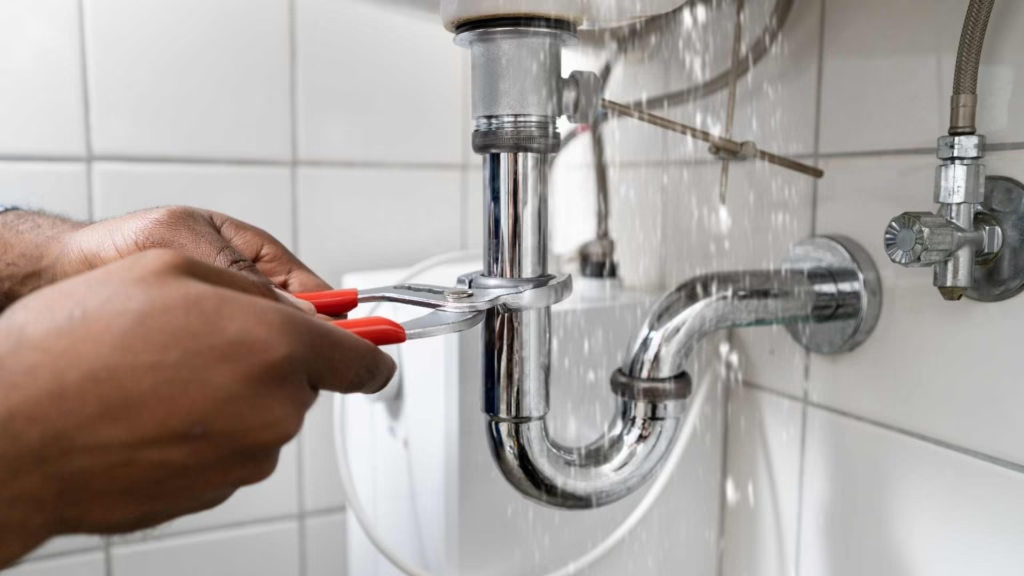
That familiar drip from your faucet may seem harmless, but over time it wastes water and increases humidity indoors. Constant exposure to moisture causes rubber seals and washers to break down faster in Florida homes, leading to leaks around handles or spouts.
Prevention Tip: Check faucets, showerheads, and sink connections regularly. Replacing washers or cartridges as soon as they wear out prevents damage and water waste. Choose stainless steel or brass fixtures instead of cheaper alloys that corrode more easily.
- Roof Leaks During Heavy Rain
Palm Bay’s frequent thunderstorms can expose even the smallest roof weakness. A few missing shingles or a small crack around a vent can allow water to seep into your attic or ceiling insulation. Eventually, you’ll notice discoloration on the ceiling or a musty smell—but by then, the damage may already be widespread.
Prevention Tip: Inspect your roof at least twice a year and after major storms. Keep gutters clear of debris, repair loose flashing, and address small issues right away before they lead to bigger problems.
- Worn Shower Grout and Caulking
Bathrooms are a constant source of moisture. When grout or caulking begins to crack, water seeps behind tiles and into the wall or floor beneath. Over time, this hidden moisture leads to mold, rot, and crumbling drywall.
Prevention Tip: Reseal tile grout and bathroom caulking every one to two years. Use a silicone-based, mildew-resistant sealant to protect joints around tubs, sinks, and shower enclosures.
- Air Conditioner Drain Line Clogs
With Palm Bay’s long summers, your air conditioner works nearly year-round. As it cools the air, it removes moisture, which flows through a condensate drain line. When this line clogs with algae or debris, water backs up and can leak into the ceiling or walls.
Prevention Tip: Have your HVAC system serviced annually. Technicians can flush the drain line with vinegar or specialized cleaners and ensure the drip pan and float switch are working correctly.
- Weak Window and Door Seals
Water intrusion around windows and doors is another overlooked cause of leaks. Constant sun exposure and salty air wear down the seals, allowing rain to sneak inside. The damage often starts small—peeling paint, soft wood, or faint staining—but can grow quickly if ignored.
Prevention Tip: Recaulk around windows and doors once a year. Use exterior-grade, waterproof sealants and make sure your home’s paint remains in good condition to act as an extra moisture barrier.
- Slab Leaks Beneath the Foundation
Perhaps the most serious type of leak is a slab leak, which happens when underground pipes beneath your home’s concrete foundation develop cracks or corrosion. Because the pipes are buried, these leaks can continue unnoticed for months, eroding the soil and weakening the structure.
You may feel a warm spot on the floor, notice unusually low water pressure, or see your water bill climbing without explanation.
Prevention Tip: Monitor your water meter when all faucets are off. If it’s still running, there’s likely a hidden leak. Contact a professional immediately to perform pressure testing and infrared scanning before structural damage occurs.
- Faulty Appliance Connections
Appliances like washing machines, dishwashers, and refrigerators rely on flexible hoses to deliver water. Over time, heat, humidity, and vibration loosen these connections or cause the hoses to crack. A single burst hose can flood a kitchen or laundry room in minutes.
Prevention Tip: Inspect appliance hoses twice a year. Replace any rubber hoses with braided stainless steel lines, which are stronger and far more durable in Florida’s humid climate.
Why Ignoring Leaks Is Never Worth the Risk
Even a minor leak can escalate into a major issue if left untreated. Moisture trapped inside walls fuels mold and mildew growth, which spreads rapidly in Palm Bay’s humid air. Not only is mold expensive to remove, but it can also affect your family’s health and indoor air quality.
Leaks also waste large amounts of water—sometimes thousands of gallons a year—and can undermine your home’s foundation or cause wood rot. The earlier you find and fix the problem, the more money you save in the long run.
Preventing Water Leaks in Palm Bay Homes
Preventing leaks is a combination of routine maintenance and proactive care. You don’t need to wait for visible damage to act. Here are simple steps to keep your home dry:
- Schedule a full home maintenance inspection once a year.
- Clean gutters and check your roof before and after hurricane season.
- Reseal bathrooms and windows every 12–18 months.
- Keep an eye on your water bill for unexplained spikes.
- Install small leak detection sensors under sinks or near water heaters for early alerts.
By catching issues early, you can prevent 90% of the damage we typically see from neglected leaks.
Why Palm Bay Homeowners Trust Handyman Palm Bay FL
Our team understands how challenging Florida’s coastal environment can be on your home. At Handyman Palm Bay FL, we specialize in diagnosing and repairing leaks quickly and efficiently. Whether you’re dealing with a dripping faucet, a hidden ceiling leak, or a slab issue, we use modern tools and long-lasting materials designed specifically for humid climates.
We also help homeowners set up simple maintenance schedules to keep future problems from recurring. Our service area covers Palm Bay, Melbourne, Malabar, Grant-Valkaria, and throughout Brevard County, providing reliable help whenever you need it most.
Protecting Your Palm Bay Home from Future Leaks
Every home in Palm Bay faces the same enemy: moisture. But with the right upkeep, awareness, and professional help, you can stay ahead of it. Small actions—like resealing your bathroom, checking your plumbing, or scheduling seasonal roof inspections—can prevent major repairs and protect your property’s value.
If you suspect a leak or want an expert to check for potential trouble spots, contact Handyman Palm Bay FL today. We’ll inspect your home, pinpoint weak areas, and provide honest, affordable solutions to keep your property dry, safe, and worry-free.
